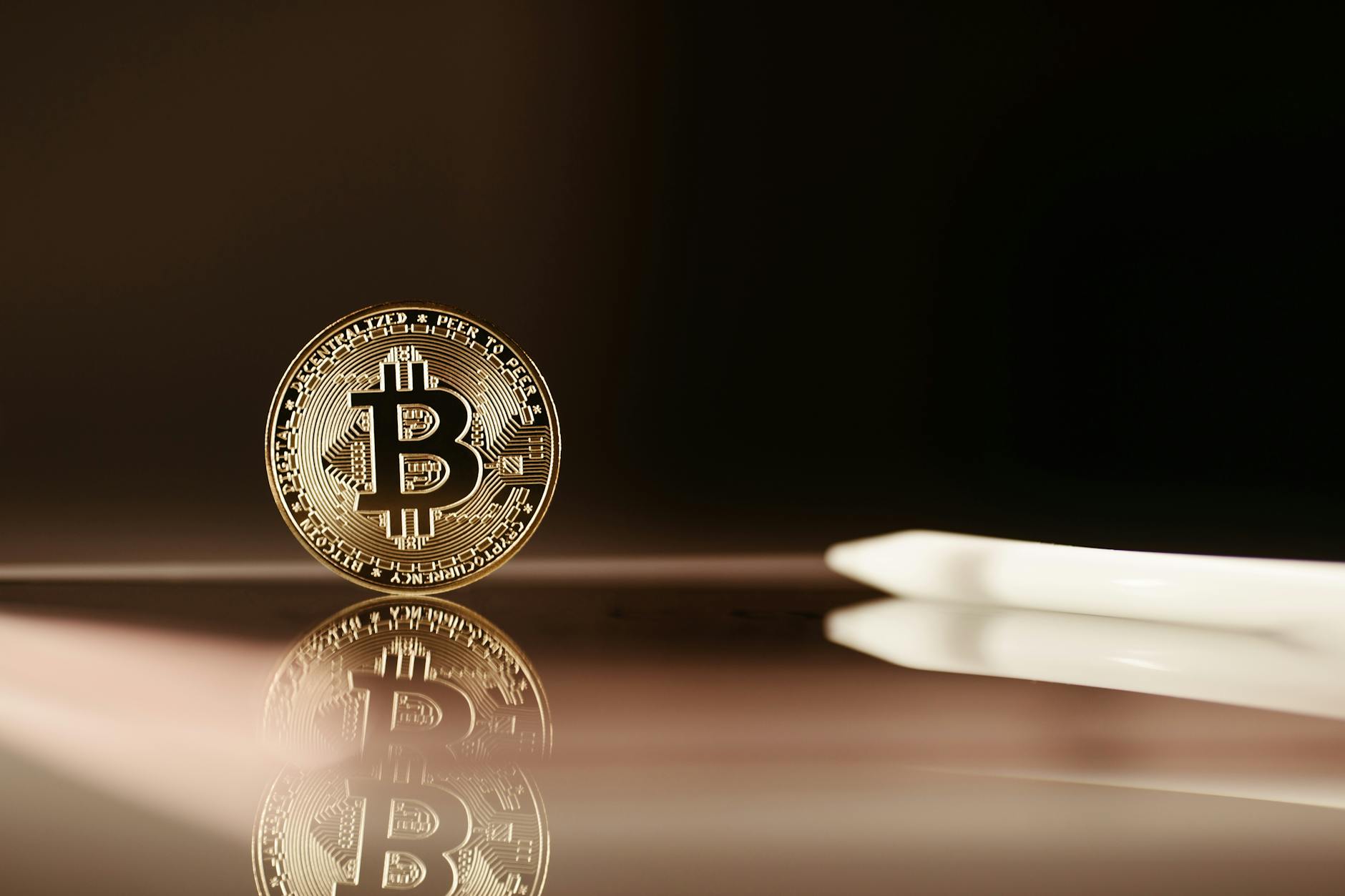
Unpacking the "Decentralized" in Betting: What It Means for Your Wagers & Wallet
When we talk about decentralized betting, we're fundamentally shifting away from the traditional, centralized bookmaker model. Instead of placing your wager with a single entity that holds all the funds and dictates the odds, you're interacting with a blockchain-based protocol. This means that instead of relying on a company's trustworthiness, you're relying on the immutability and transparency of code. Smart contracts, self-executing agreements written directly into code, govern the entire betting process – from placing the bet to determining the winner and distributing payouts. This eliminates the need for intermediaries, potentially leading to lower fees and greater control over your funds, as your money isn't held by a third party.
The implications of this decentralization for your wagers and wallet are significant. For starters, it can offer enhanced security and transparency. With traditional betting, you're trusting the bookmaker to be fair and to pay out your winnings. In a decentralized system, the rules are openly auditable on the blockchain, and payouts are automatically executed by smart contracts once the conditions are met. This drastically reduces the risk of manipulation or non-payment. Furthermore, censorship resistance is a key benefit; no single entity can shut down the platform or prevent you from placing a bet. This empowers users with more control, transforming the betting landscape into a more equitable and verifiable environment.
Decentralized betting platforms leverage blockchain technology to offer a transparent and secure way for individuals to place wagers without relying on traditional intermediaries. These platforms utilize smart contracts to automate payouts and ensure fairness, eliminating the need for trust in a central authority. For more information on decentralized betting, explore the innovative solutions emerging in this space.
Navigating the New Frontier: Practical Tips & FAQs for Your First Decentralized Bet
Embarking on your first decentralized bet can feel like stepping into a new world, but with a few practical tips, you can navigate this exciting frontier with confidence. First, always prioritize security. Ensure you understand how to safeguard your private keys and seed phrases, as losing them means losing access to your funds. Consider using a hardware wallet for enhanced protection. Next, start small. Don't wager more than you're comfortable losing, especially as you learn the ropes of a new platform. Familiarize yourself with the specific smart contract's mechanics and payout structures. Finally, research the platform thoroughly. Look for communities, reviews, and audits to ensure its legitimacy and reliability. A little due diligence goes a long way in preventing potential pitfalls.
Many newcomers have common questions when entering the decentralized betting space. Here are some FAQs:
Q: How do I fund my decentralized betting wallet? A: You'll typically need to acquire cryptocurrency (often Ethereum or a stablecoin) from a centralized exchange and then transfer it to your non-custodial wallet (e.g., MetaMask).
Q: What happens if the smart contract has a bug? A: While rare, it's a risk. Reputable platforms undergo audits, but it's crucial to understand that smart contracts are immutable, meaning errors cannot be easily fixed once deployed. This underscores the importance of choosing well-vetted platforms.
Q: Are my winnings automatically paid out? A: Yes, a key advantage of decentralized betting is that payouts are often automated by the smart contract once the conditions are met, eliminating the need for a third-party intermediary. Always verify the specific platform's payout mechanism.